

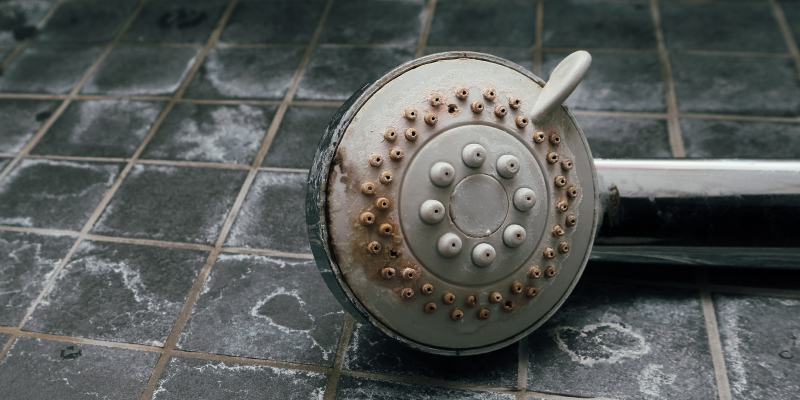

You have been informed that scrubbing will get rid of stains. However, it is quite frustrating for you to see that the unattractive hard water stains are becoming an eyesore in your bathroom.
Therefore, even after scrubbing, there is the feeling of dirtiness, but why? This is due to mineral deposits such as magnesium and calcium, as a result of the evaporation of hard water. Bathroom cleaning services in Chennai can help you to clean your bathroom.
Here, you'll often find them on your bathroom's shower doors, faucets, and tiles, appearing when water runs frequently. For your bathroom to stay stain free, this guide offers effective tips to remove hard water stains from your bathroom for good.
But you must not only remove the stains but also protect your fixtures from damage. Now, before diving into the solutions, it helps to understand what you're up against
- What exactly are these stains?
- How do they form?
- Why do they differ?
Decoding the Deposits: What Those Bathroom Stains Mean
Hard water is essentially water loaded with dissolved minerals, primarily magnesium and calcium, which hitch a ride on as it filters through natural rock and soil into our water supplies.
The real headache begins when this water evaporates on your bathroom surfaces. As the liquid disappears into the air, it leaves those heavy minerals behind. Day after day, these tiny left behind particles layer over each other, hardening into a stubborn, chalky crust known as limescale.
While most hard water crusts look like a white or off-white film. They can occasionally change colour based on your plumbing or local water supply. If your bathroom stains look distinctly brown or rust tinted, you are likely dealing with high levels of iron rather than simple calcium.
Getting to know if your problem is with white calcium or black iron staining is important because each type of mineral needs a totally separate way of breaking down.
Choosing Your Cleaning Method: DIY vs Commercial Solutions
When it comes to tackling stains from hard water, you have two main paths:
- Homemade cleaning solutions
- Commercial cleaning solutions
It’s not so much a ‘vs’ as an ‘and’; both are valid tools in your cleaning toolkit. Let’s explore what each offers.
1. Homemade options
In many cases, you can banish stains using things you already have on hand, like white vinegar and baking soda. The acetic acid in vinegar helps dissolve mineral deposits and plays a major role in breaking down those chalky stains. This is why it’s so widely recommended for bathroom cleaning.
Baking soda, meanwhile, is gentle but effective. Keep your pieces helpful yet straightforward. As a mild abrasive, it is perfect for scrubbing stains without damaging surfaces.
Natural cleaners are ideal for tackling stains from hard water, but they require patience. So, for light, regular cleaning when you have a little time and can allow for some soaking time, stick with these DIY methods.
2. Commercial options
However, it’s crucial to tread carefully. Yes, you can purchase speciality hard water stain removers that are formulated with stronger acids like phosphoric acid to dissolve stubborn mineral accumulation quickly. One day you might be scrubbing with vinegar, and the next, you’ll reach for these heavy duty solutions because they offer a quick fix for the toughest jobs.
If you remain loyal to natural cleaners, think again when faced with thick limescale. Don’t try to be a kind of catch all; it’ll do you more harm than good when strong chemicals are needed.
When using powerful cleaners, you have to prioritise safety. So, flex those safety muscles a bit. Always ensure proper ventilation by opening windows or using a fan. Modify and categorise your safety approach: make wearing rubber gloves a firm, confident, and memorable part of your routine to protect your skin.
Choosing between these options is one of the most effective tips to remove hard water stains from bathroom surfaces successfully. Now that you can decide between a homemade remedy and a commercial product. The final, crucial step is to ensure your choice is safe for the specific material you're cleaning.
The Cardinal Rule: Match the Cleaner to the Surface
Using a single cleaner for every bathroom surface is not a shortcut. Every material has specific vulnerabilities, and the wrong chemical can cause immediate, permanent damage.
A cleaner that makes your ceramic tile shine could permanently damage a glass door or dull an expensive stone countertop, leaving you with a costly replacement bill.
- Glass, Porcelain, and Ceramic
These durable, hard surfaces are highly resilient. They can safely handle everything from acidic solutions like white vinegar to heavy duty commercial descalers without the surface degradation. - Metal Fixtures
Metal requires caution. While vinegar effectively cuts through mineral scale on chrome, prolonged exposure can tarnish or strip the finish. Instead of soaking the fixture directly, wrap a vinegar dampened cloth around it for just ten minutes, then rinse completely. Avoid harsh abrasives, as they cause permanent scratching. - Acrylic and Fibreglass
These soft materials scratch incredibly easily. Strong chemical cleaners and rough scrubbing pads will quickly ruin the glossy outer finish. Skip the heavy chemicals entirely and use a mild mixture of dish soap and water, or a gentle baking soda paste. - Soft Porous Stone (Marble and Granite)
Natural stone demands strict care. Acid is the absolute enemy of marble and granite. The acid content in vinegar or lemon juice triggers a chemical reaction that immediately damages, pits, and dulls the stone. Always stick to pH neutral cleaners specifically formulated for natural stone.
If you are ever uncertain about a new product, run a quick spot test on an inconspicuous area first. Taking thirty seconds to check a hidden corner ensures the cleaner is completely safe before you treat the entire surface.
Protecting your fixtures while breaking down mineral deposits is the only way to achieve a clean bathroom safely. With existing buildup cleared away, the next logical step is shifting from reactive cleaning to long term stain prevention.
Read Also: Identifying the hidden causes of bathroom odours for a fresh home
Proactive Measures to Keep Your Bathroom Stain Free
When your bathroom surfaces are finally free of limescale, it seems that preventing new stains is the next crucial step, because the effort you invested in cleaning gives a long term solution. By neglecting prevention, you allow new deposits to build up without a prevention plan. This is not a one and done task.
- Wipe walls and doors after every shower. This gets you a cleaner surface and prevents spotting.
- Wipe taps and fixtures dry with a microfiber cloth after each use, instead of leaving them to air dry. This simple step prevents water spots from forming. By removing excess water, you stop it from drying on the surface and leaving behind the minerals, because that process creates stains. As a result, your bathroom stays cleaner for longer.
- For your shower to stay clean, you’ll find a daily cleaner spray helpful. It helps remove minerals before they dry, so you can prevent stains without scrubbing, but you can apply it quickly.
If daily wiping and spraying feel like too much work, why not consider a more permanent solution? Or, you’re just allowing stains to return.
- A showerhead filter is a wise investment. This is where targeted protection comes into play: it captures minerals at the source, taking the hassle out of daily cleaning, and it takes your home from problem to solution.
- If you want to eliminate stains hard water entirely, you should consider a water softener. This is the ultimate fix, and it works with your existing plumbing. A water softener, a device installed on your main water line, works by taking out minerals like magnesium and calcium. This process leaves fewer dissolved solids behind, protecting your entire home; not only does it prevent future stains, but it also preserves your plumbing.
By solving the root cause of hard water, you will be able to avoid such stains in the future while also protecting the appearance of your bathroom for many years to come. Plus, this proactive home maintenance strategy plays a massive role in saving you time and effort, so you can enjoy a clean bathroom.
Achieve a Lasting Sparkle with Smart Cleaning
This is exactly the reason why you should understand every stain, choose every tool, and know every surface. You transform your cleaning routine into a precise, effective strategy. Deep down, you know that without this knowledge, you risk irreversible damage.
Thus, knowing what is safe for each type is the only way to protect yourself from harm. Using such a calculated approach helps you to maintain your house effectively, enjoy a newly polished look and increased fixture longevity.
For stubborn stains that persist in being removed effectively, or when time is a constraint, opting for professional deep cleaning provides a reliable solution. Imagine a sparkling bathroom without the effort. For trusted Home Services in Chennai, rely on FastHelp. Book a service today and restore your bathroom’s shine safely.